
How a Food Delivery App Could Steal Your Crypto Without Hacking Your Wallet
Key Takeaways
- A food delivery app, Wukong, linked to crypto-stealing malware in 2025, has resurfaced on Apple’s App Store under a new publisher and app identifier.
- SparkCat scans smartphone photo galleries for recovery phrases, potentially compromising entire crypto wallets without hacking wallet software.
- SparkCat bypassed Apple and Google’s security checks twice, highlighting the need for offline recovery phrase storage and stronger wallet setup warnings.
Wukong, a Southeast Asian food delivery app, released version 1.0.7 on Apple’s App Store on Nov. 24. The app, published by PGI CIPTA SDN BHD, shares its name with an application previously linked to crypto-stealing malware.
In February 2025, Kaspersky listed the bundle ID “com.wukongwaimai.client,” matching the earlier Wukong app’s name, among infected iOS applications. The malware, SparkCat, scans photographs for crypto wallet recovery phrases.
The case exposes a broader security risk for crypto holders by showing how malware can compromise a wallet without ever accessing its software.
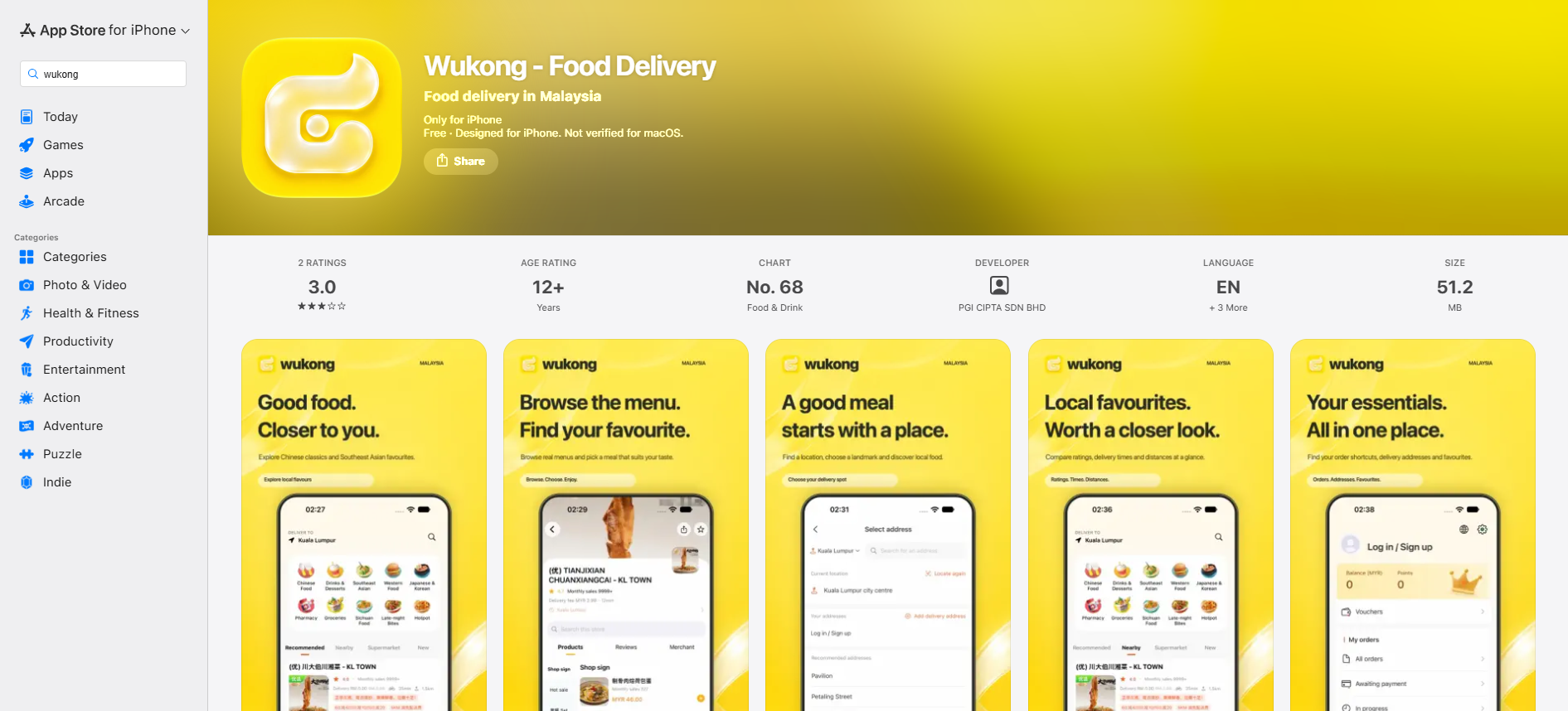
Apple’s records show a new publisher and app identifier
The new listing first appeared on Oct. 22 under the bundle ID “my.wukong.client.” Apple’s lookup tool returned no results for the earlier listing across 25 storefronts AlphaWire checked. Version 1.0.7’s release notes describe checkout, image, and crash fixes without mentioning security changes.
On Oct. 26, a Chinese-language local report said iPhones blocked the earlier app, branded Gokoo, with a malware warning. A Nov. 26 X post shared the warning alongside an unattributed notice asking iPhone users to download the app again.
https://twitter.com/coinbureau/status/2125941459019002021
Why one screenshot can compromise an entire crypto wallet
SparkCat exploits smartphone permissions rather than crypto wallet vulnerabilities. Kaspersky found it requested photo gallery access during in-app support chats, a seemingly routine request for delivery services. Yet a single photograph containing a recovery phrase can expose every asset it secures.
For crypto holders, recovery phrase storage matters more than the types of apps they install. SparkCat bypassed Apple’s App Store and Google Play security checks in 2025. On April 2, 2026, Kaspersky disclosed that an updated variant had bypassed both stores’ screening again, infecting several apps, including a food delivery app.
The malware’s iOS variant searches for English recovery phrases, putting crypto holders worldwide at risk. Kaspersky advises against storing recovery phrases in photo galleries, making offline backups critical for self-custody security.
Two malware disclosures more than a year apart expose the limitations of app store screening. Wallet providers and exchanges offering self-custody services should strengthen security warnings during wallet setup, when users generate recovery phrases.
Changing an app’s bundle ID (its unique identifier) can also complicate malware tracking. Kaspersky uses these identifiers in public records to help researchers detect and track infected iOS apps. Regardless of intent, such changes make independent verification crucial for users and security researchers.
https://twitter.com/phantom/status/1961903489933779214
What the evidence does and does not establish
No source reviewed establishes that the new Wukong app contains SparkCat code. As of Nov. 27, AlphaWire found no statement from Apple or Kaspersky addressing the new listing, and the story remains developing.
Evidence of the Oct. 26 warning rests on one local report and a screenshot of the malware prompt. None of the reports reviewed documents any user losing funds through Wukong.
Kaspersky also couldn’t determine whether the 2025 infections stemmed from compromised third-party components or deliberate developer action. It notified Apple and Google about the apps identified in its April 2 investigation, and the malicious code has since been removed.
Meanwhile, Wukong’s operator declares in its Oct. 21, 2026, privacy policy that the app contains neither advertising nor third-party analytics software development kits (SDKs).