preferred on


Points of Focus
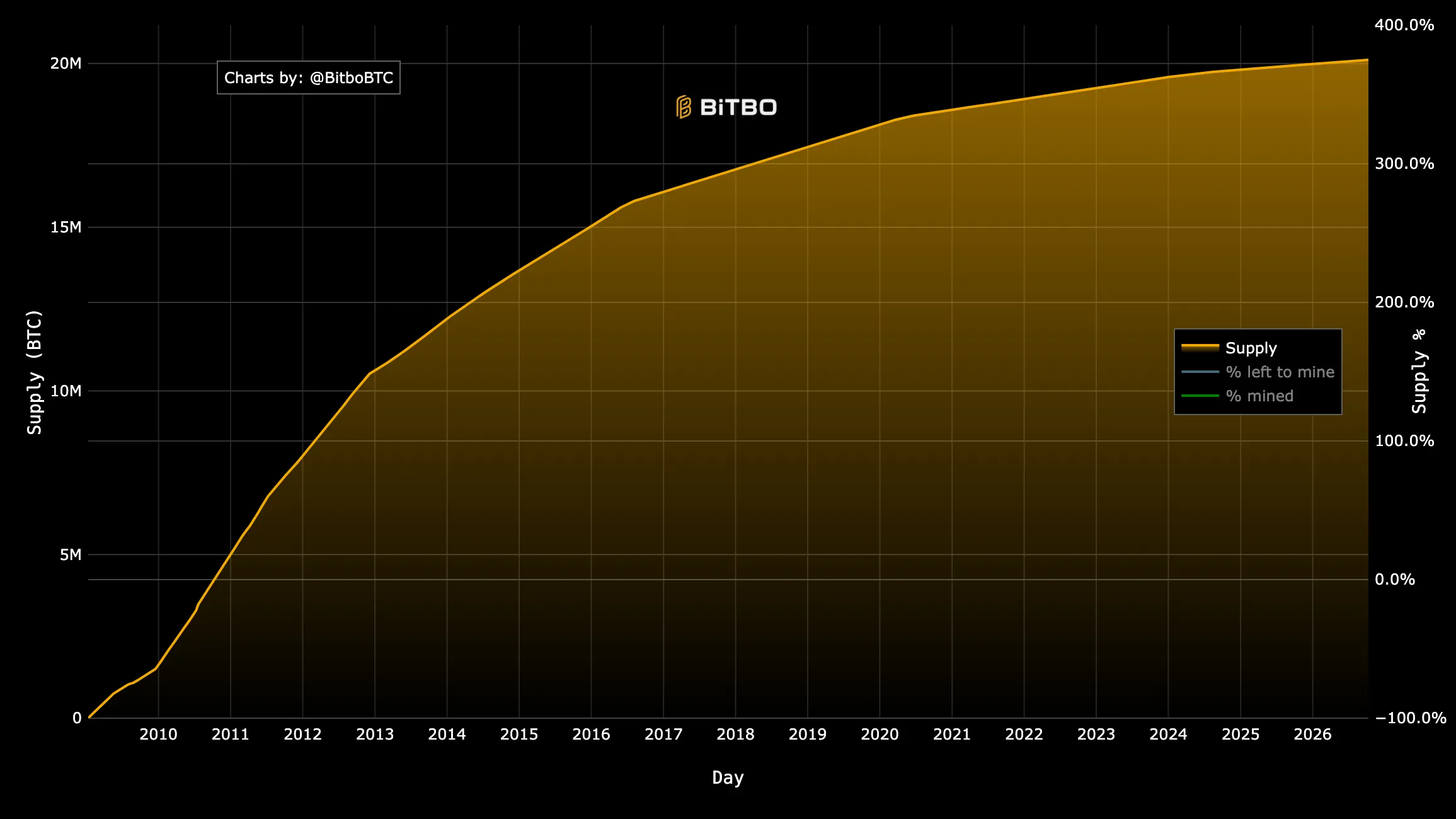
- Bitcoin’s circulating supply is around 20.10 million BTC, having crossed the 20 million threshold at block 939,999.
- US spot Bitcoin ETFs hold about 1.28 million-1.29 million BTC, with BlackRock’s IBIT leading the way.
- The current 3.125-BTC block subsidy keeps daily issuance near 450 BTC, with the next halving more than 500 days away.
On Jan. 3, 2009, Bitcoin’s first block landed. By Oct. 11, 2026, the network will be 17 years and nine months old, just months away from its formal 18th birthday. More than 95% of the hard-capped 21 million coins have already been distributed per the supply schedule, with less than 900,000 remaining to be released across more than a century of future halvings.
A big portion of that current stock has been absorbed by regulated Wall Street companies. Currently, about 1.28 million-1.29 million Bitcoin (BTC) is held by US spot Bitcoin exchange-traded funds (ETFs).
That concentration creates concern more than the traditional scarcity narrative: When fresh coins reach the market and institutional products have already locked up more than 1 million BTC, where does incremental demand truly go, and what does that mean for the free float that still trades?
Bitcoin supply reaches 20 million after 17 years of mining
The Foundry USA pool mined the 20 millionth Bitcoin around March 9, 2026, at block height 939,999. Following the April 2024 halving, the block reward had already reached 3.125 BTC. When the barrier was crossed, 95.24% of the final 21 million cap had been reached.
The remaining about 900,000 BTC will require much more time. Currently, daily issuance is around 450 BTC (144 blocks × 3.125 BTC). The next halving, scheduled for April 2028 at block height 1,050,000, will cut that total in half again. The last satoshis are extended to roughly 2140 by further halvings. The tail is designed to be slow, and the front-loaded design is intentional, with the majority of the supply arriving early.
US spot Bitcoin ETFs lock up 1.3 million BTC
US spot Bitcoin ETFs debuted in January 2024 and have become among the most concentrated holders. Recent snapshots show total holdings in the 1.28 million-1.29 million-BTC range, valued at between $105 billion and $107 billion depending on the price and day. In mid-October estimates, BlackRock’s IBIT accounts for roughly 62%, followed by Fidelity’s FBTC, Grayscale’s GBTC, and Mini Trust.
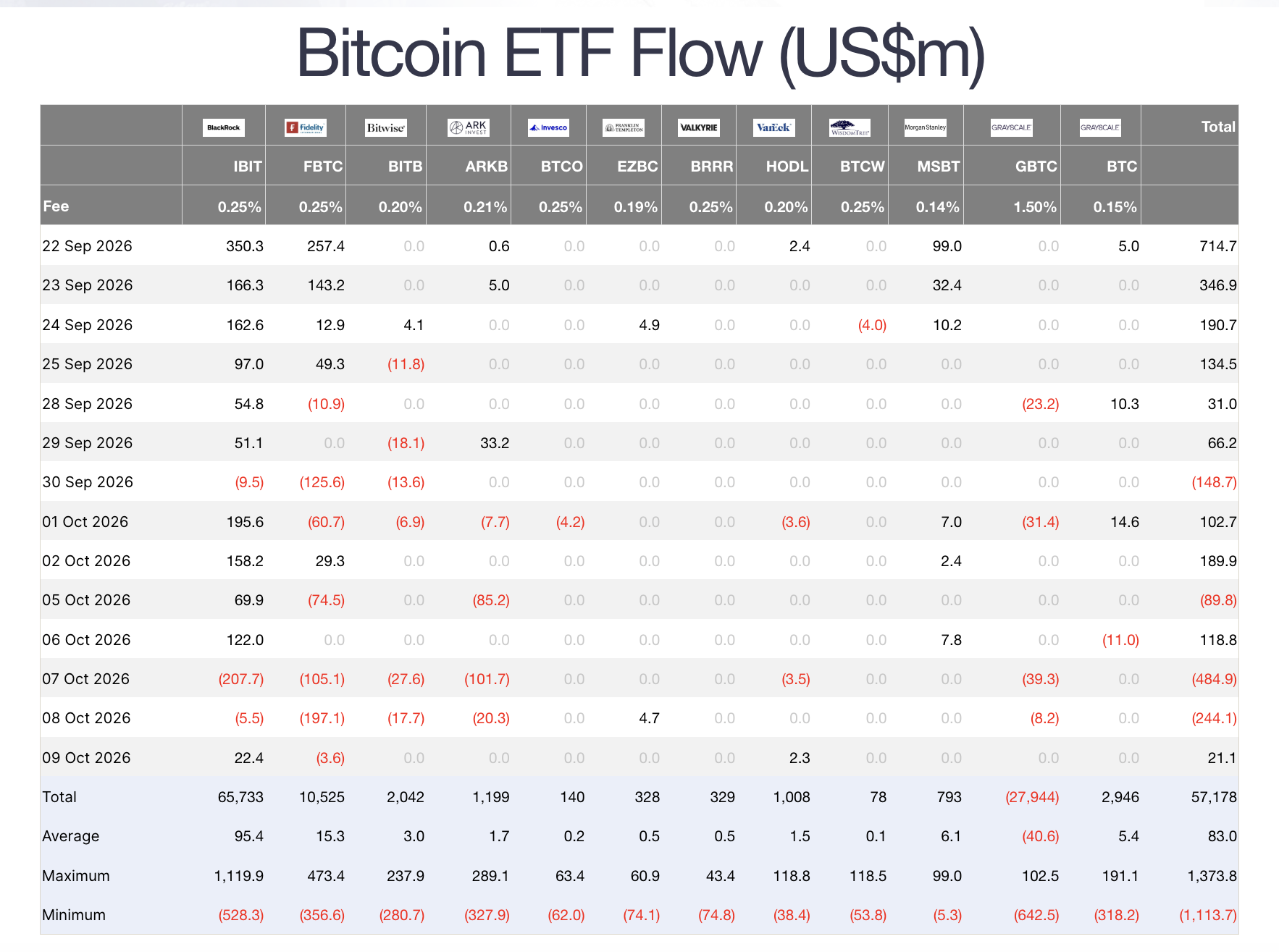
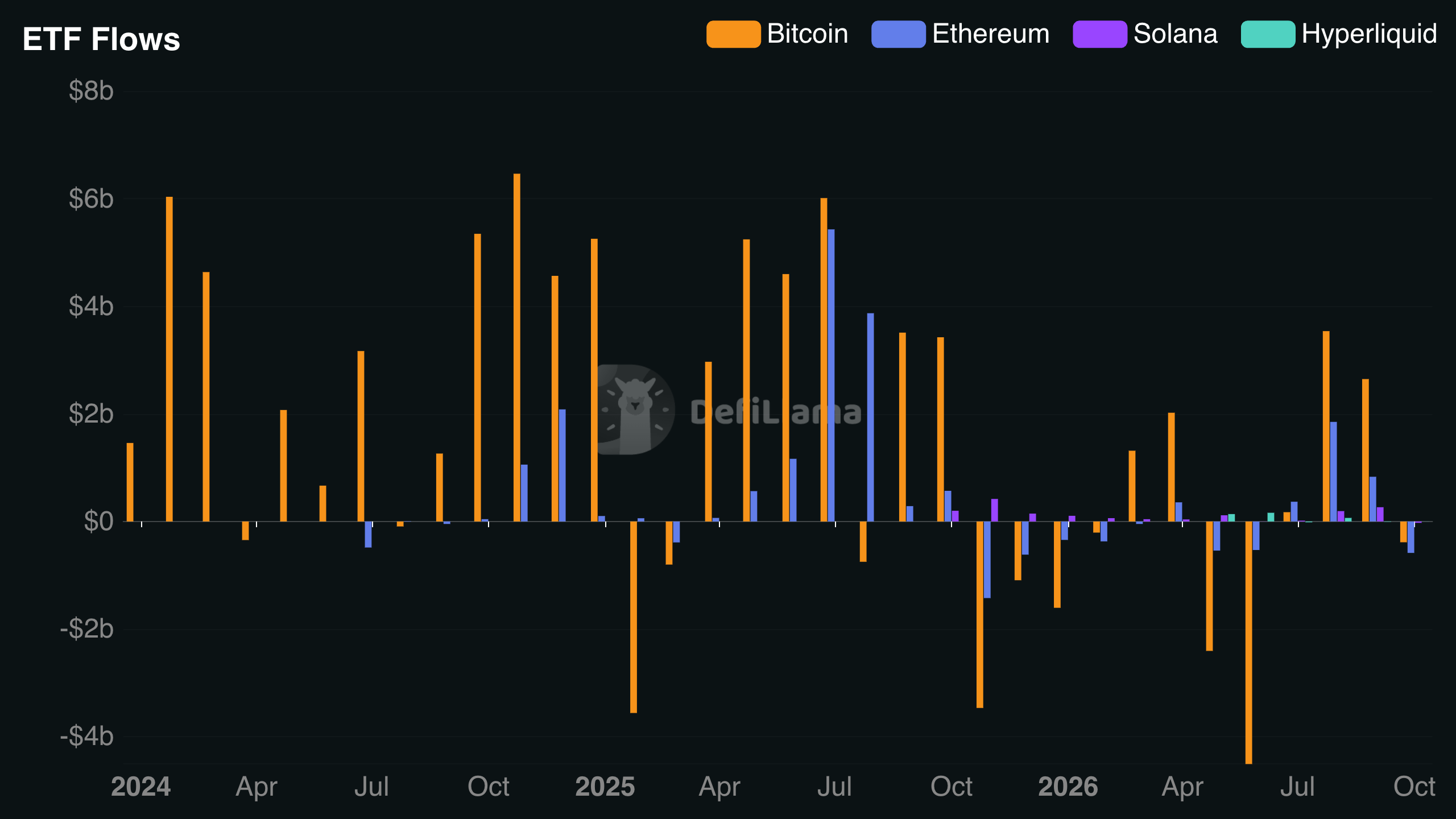
It is currently one of the largest single batches of Bitcoin owned, surpassing estimates of Satoshi Nakamoto’s unmoved coins. Even with outflows, cumulative net flows since launch have remained positive in the tens of billions of dollars. Recent daily data from trackers indicate inflows and outflows in the hundreds of millions, showing that the products are dynamic two-way markets rather than permanent sinks.
The ETFs do not remove coins from the protocol. Rather, they move them into regulated custody, and in practice, this reduces the amount of exchange float that is instantly available.
Where new money actually enters the Bitcoin market
At the current subsidy rate of roughly 450 BTC per day, more supply keeps coming in. That sum is relatively small if compared to the stock currently held by ETFs, corporate treasuries, and long-term investors. On days when ETFs get net inflows of hundreds of millions of dollars, the dollar value of new coins is outpaced by institutional absorption.
Conversely, when ETFs see multi-hundred-million-dollar outflows, the selling pressure can exceed daily mining output by a significant margin. Flow data thus acts as a higher-frequency signal than the slow-moving issuance schedule. What’s more, the same pattern can be seen in liquidity metrics: The marginal unit of demand or supply is increasingly coming from regulated vehicles rather than newly mined rewards.
Exchange reserves can be a second check. When coins transfer from exchanges to ETF custodians, the trading float shrinks even as total mined quantity grows. The opposite flow expands the float.
Lost coins and dormant holdings reduce Bitcoin’s effective float
It’s important to note that not all mined coins are available. Estimates of permanently lost Bitcoin vary greatly, usually between 2.3 million and 3.7 million BTC, with some onchain data placing the value higher depending on the inactivity threshold applied. Satoshi-linked addresses alone are generally estimated to be about 1.1 million. The liquid float is further decreased by government holdings, corporate treasuries, and long-term investors.
As a result, the effective circulating supply is much less than the reported 20.10 million. That already reduced pool contains ETF holdings totaling around 1.29 million BTC. The percentage of coins that can actually be used quickly is reduced if lost coins, dormant balances, and institutional custody are also counted.
This does not cause automatic pricing pressure; it does alter the sensitivity of price to huge order flows. A dollar of net ETF buying or selling moves a smaller free float than a dollar would move versus a more liquid stock.
Limits of the ETF concentration and scarcity
The price has not been determined solely by scarcity. Bitcoin has already experienced multiple multi-year drawdowns while supply continued its programmed decline. In the short and medium term, competing assets, risk appetite, and macro liquidity continue to be the main factors. The products are nevertheless vulnerable to operational and regulatory risk. Also, custodians can be at risk of redemptions, and ETF holdings can reverse.
Mining economics are also important. As the block subsidy declines, fee revenue must eventually finance security. The transaction fee share of miner earnings has fluctuated and is not yet a reliable substitute for the subsidies. The hashrate and difficulty continue to adjust, but the long-term security budget remains an open variable as issuance lowers further.
Finally, concentration risk cuts both ways. A small number of ETF issuers and custodians now hold a visible share of supply. This visibility is useful for tracking, but it also generates isolated areas of operational or regulatory risk that pure onchain holders do not share.
The data does not guarantee price increases; it does, however, show that custody decisions and flow regimes have a greater influence on the tradable float than the remaining issuance schedule.